
Industries Benefiting from Drones: Unlocking New Horizons with Aerial Drone Services
- Kent Shore

- Jan 19
- 4 min read
In recent years, aerial drone services have transformed from niche technology into a vital tool across numerous industries. Their ability to capture stunning visuals from unique perspectives, combined with advanced data collection capabilities, has opened doors to innovative applications. From construction sites to real estate marketing, drones are reshaping how businesses operate and communicate. This article explores the industries maximizing potential with aerial drone services, highlighting practical examples and actionable insights.
Industries Benefiting from Drones: A Closer Look
The versatility of drones makes them invaluable in various sectors. Their capacity to access hard-to-reach areas, provide real-time data, and deliver high-resolution imagery is revolutionizing traditional workflows. Here are some key industries embracing drone technology:
Construction and Infrastructure
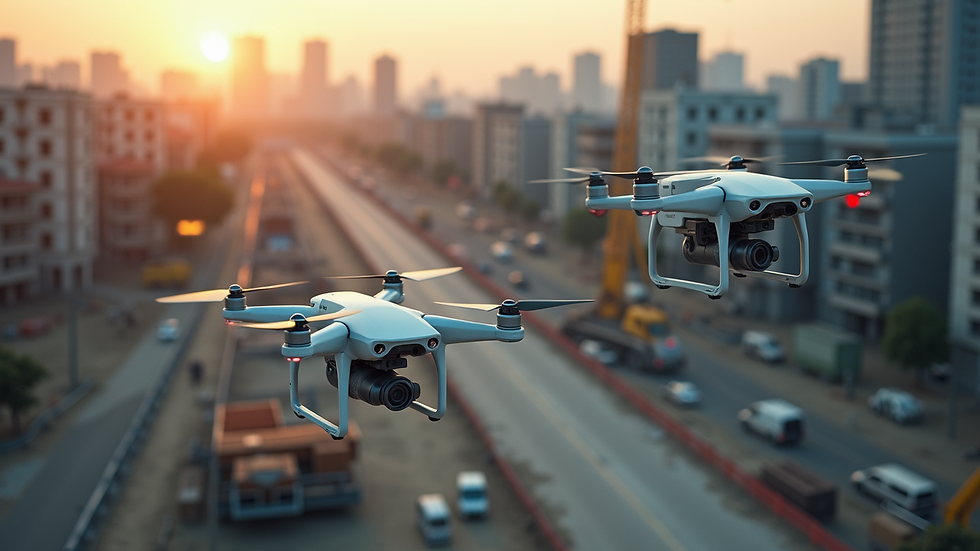
Construction companies are among the earliest adopters of drone technology. Drones provide aerial views of construction sites, enabling project managers to monitor progress efficiently. They can capture detailed images and videos that help identify potential issues before they escalate, such as structural inconsistencies or safety hazards.
Site Surveying and Mapping: Drones equipped with LiDAR or photogrammetry tools can create accurate 3D maps of construction sites. This reduces the need for manual surveys, saving time and costs.
Progress Monitoring: Regular drone flights document the stages of construction, providing stakeholders with visual updates without the need for physical site visits.
Safety Inspections: Drones can inspect hard-to-reach or dangerous areas, such as rooftops or scaffolding, minimizing risk to workers.
By integrating drone data into Building Information Modeling (BIM) systems, construction teams can enhance project planning and coordination.
Real Estate Marketing and Sales
In real estate, first impressions matter. Aerial drone photography offers captivating visuals that showcase properties from unique vantage points. This technology is especially beneficial for large estates, commercial properties, and developments with extensive grounds.
Enhanced Property Listings: High-quality aerial images and videos highlight features like landscaping, proximity to amenities, and neighborhood layout.
Virtual Tours: Combining drone footage with ground-level shots creates immersive virtual tours, attracting more potential buyers.
Development Promotion: For new housing developments, drones can capture the progress and scale of the project, generating excitement and trust among buyers.
Real estate agents and developers can leverage these visuals in online listings, social media campaigns, and promotional materials to stand out in competitive markets.
Agriculture and Environmental Monitoring
Agriculture is another sector where drones have made a significant impact. Farmers and environmentalists use drones to monitor crops, assess land health, and manage resources more effectively.
Crop Health Analysis: Multispectral and thermal cameras on drones detect plant stress, disease, and irrigation issues early, allowing timely interventions.
Precision Agriculture: Drones help optimize fertilizer and pesticide application by identifying specific areas that need attention, reducing waste and environmental impact.
Land and Wildlife Monitoring: Environmental agencies use drones to track wildlife populations, monitor deforestation, and assess natural habitats without disturbing ecosystems.
These applications contribute to sustainable farming practices and better resource management.

Energy and Utilities
The energy sector benefits greatly from drone inspections, especially in maintaining infrastructure such as power lines, wind turbines, and solar panels.
Inspection Efficiency: Drones can quickly inspect long stretches of power lines or tall wind turbines, identifying damage or wear without the need for manual climbing or helicopter surveys.
Safety Improvements: By reducing the need for workers to access hazardous locations, drones enhance safety protocols.
Data Collection: High-resolution thermal imaging helps detect overheating components or leaks in pipelines, enabling preventive maintenance.
Utility companies can schedule regular drone inspections to minimize downtime and extend the lifespan of critical assets.
Insurance and Emergency Services
Insurance companies and emergency responders are increasingly using drones to assess damage and plan responses.
Damage Assessment: After natural disasters or accidents, drones provide rapid aerial surveys to evaluate property damage, speeding up claims processing.
Search and Rescue: Equipped with thermal cameras, drones assist in locating missing persons in challenging terrains.
Disaster Management: Drones offer real-time situational awareness, helping emergency teams coordinate efforts more effectively.
These capabilities improve response times and resource allocation during critical situations.
Film, Media, and Marketing
The creative industries have embraced drones for their ability to capture dynamic and cinematic footage.
Film Production: Drones enable filmmakers to shoot sweeping aerial scenes without the high costs of helicopters or cranes.
Event Coverage: From weddings to sports events, drones provide unique perspectives that enhance storytelling.
Business Marketing Videos: Companies use drone footage to showcase facilities, products, or services in engaging ways that resonate with audiences.
The combination of creativity and technology allows businesses to produce compelling visual content that elevates their brand presence.
Practical Tips for Businesses Considering Drone Services
For businesses interested in integrating aerial drone services, here are some practical recommendations:
Define Your Objectives: Clearly outline what you want to achieve with drone services, whether it’s marketing, inspection, or data collection.
Choose the Right Drone Provider: Look for companies with experience in your industry, proper certifications, and a strong safety record.
Understand Regulations: Ensure compliance with local and federal drone regulations, including flight permissions and privacy considerations.
Leverage Data Integration: Use drone data alongside existing systems like GIS, BIM, or asset management software for maximum benefit.
Plan for Regular Use: Incorporate drone flights into routine operations to maintain up-to-date information and visuals.
By following these steps, businesses can maximize the return on investment from aerial drone services.
Embracing the Future with Aerial Drone Technology
The potential of aerial drone services continues to expand as technology advances. Industries that adopt drones early gain a competitive edge through improved efficiency, safety, and marketing capabilities. Whether capturing breathtaking aerial photography or conducting detailed inspections, drones offer a blend of innovation and practicality.
For those seeking to elevate their projects with superior aerial drone photography services, capturing stunning visuals for construction, real estate, inspections, business marketing videos, and more, partnering with a reliable drone service provider is essential. This ensures not only exceptional results but also the best customer service experience.
As drone technology evolves, the possibilities for its application across industries will only grow, inviting businesses to explore new heights and perspectives.


Comments