
Essential Tips for Drone Photography
- Kent Shore

- Feb 9
- 4 min read
Drone photography has transformed the way we capture the world from above. Whether you are aiming to showcase the beauty of landscapes, document construction progress, or create compelling marketing visuals, mastering drone photography can elevate your work to new heights. This guide offers essential tips for drone photography that will help you achieve stunning results with clarity and professionalism.
Practical Tips for Drone Photography
Before taking to the skies, it is important to prepare thoroughly. Here are some practical tips to ensure your drone photography sessions are successful:
Plan Your Flight Path: Use apps or maps to scout your location beforehand. Knowing where you want to fly and shoot helps avoid surprises and ensures you capture the best angles.
Check Weather Conditions: Clear skies and calm winds are ideal for stable shots. Avoid flying in rain or strong winds to protect your equipment and maintain image quality.
Understand Your Drone’s Capabilities: Familiarize yourself with your drone’s camera settings, battery life, and flight limits. This knowledge allows you to optimize your shots and avoid mid-flight interruptions.
Use Manual Camera Settings: Adjust ISO, shutter speed, and aperture manually to control exposure and sharpness. This is especially useful in varying light conditions.
Fly Smoothly and Steadily: Sudden movements can blur images. Practice gentle, slow maneuvers to capture crisp, professional photos.
By following these tips, you can create a solid foundation for your aerial photography projects.
Composition and Framing Tips for Drone Photography
Composition plays a crucial role in making your drone photos visually appealing. Here are some guidelines to enhance your framing:
Rule of Thirds: Imagine your frame divided into nine equal parts. Position key elements along these lines or their intersections to create balanced and engaging images.
Leading Lines: Use natural or man-made lines such as roads, rivers, or fences to guide the viewer’s eye through the photo.
Symmetry and Patterns: Aerial views often reveal symmetrical shapes and repeating patterns that are not visible from the ground. Highlight these to add interest.
Vary Your Altitude: Experiment with different heights to find unique perspectives. Lower altitudes can capture details, while higher altitudes provide sweeping vistas.
Include a Focal Point: Ensure your photo has a clear subject that draws attention, such as a building, tree, or vehicle.
These composition techniques will help you create images that are not only beautiful but also tell a compelling story.
Essential Equipment and Settings for Drone Photography
Having the right equipment and settings is vital for capturing high-quality images. Consider the following:
Camera Quality: Invest in a drone with a high-resolution camera capable of shooting in RAW format. RAW files provide greater flexibility during post-processing.
Gimbal Stabilization: A 3-axis gimbal stabilizes the camera, reducing shake and ensuring smooth footage and sharp photos.
Filters: Use ND (neutral density) filters to control exposure in bright conditions, allowing for slower shutter speeds and better motion blur effects.
Battery Management: Carry extra batteries and monitor their charge levels carefully. Plan flights to maximize battery life without risking sudden power loss.
Settings to Optimize:
- Set ISO as low as possible to reduce noise.
- Use a shutter speed fast enough to avoid motion blur but slow enough to capture sufficient light.
- Adjust white balance manually to maintain color accuracy.
By equipping yourself properly and mastering these settings, you can significantly improve the quality of your drone photography.
Legal and Safety Considerations for Drone Photography
Flying drones responsibly is essential to ensure safety and compliance with regulations. Keep these points in mind:
Know Local Regulations: Familiarize yourself with FAA rules and any local restrictions in your area. This includes altitude limits, no-fly zones, and registration requirements.
Respect Privacy: Avoid flying over private property without permission. Be mindful of people’s privacy and avoid capturing images where it is inappropriate.
Maintain Line of Sight: Always keep your drone within visual range to avoid collisions and loss of control.
Avoid Crowded Areas: Flying over groups of people or busy streets can be dangerous. Choose open spaces for safer operation.
Pre-Flight Checks: Inspect your drone for damage, ensure firmware is updated, and calibrate sensors before each flight.
Adhering to these guidelines protects you, others, and your equipment while fostering a positive reputation for drone photography.

Enhancing Your Drone Photography Skills Over Time
Improvement comes with practice and continuous learning. Here are ways to develop your skills further:
Review and Analyze Your Work: After each flight, review your photos critically. Identify what worked well and areas for improvement.
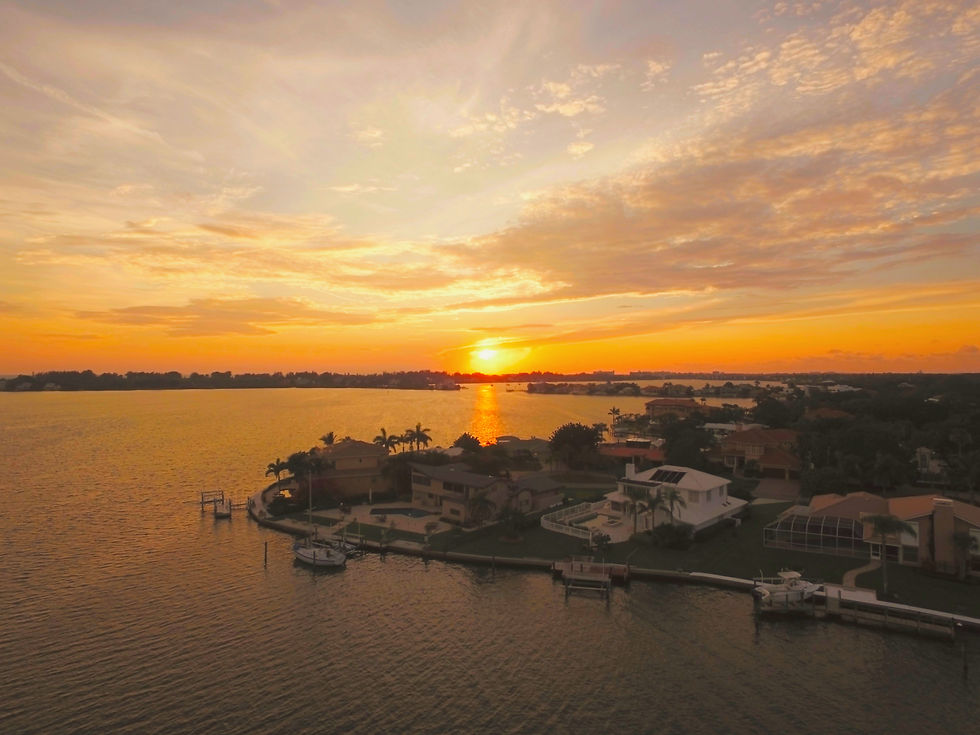
Experiment with Different Times of Day: Early morning and late afternoon offer soft, warm light that enhances textures and colors.
Learn Post-Processing Techniques: Use software like Adobe Lightroom or Photoshop to adjust exposure, contrast, and color balance. Subtle edits can transform good photos into great ones.
Join Communities and Workshops: Engage with other drone photographers to exchange tips, get feedback, and stay updated on industry trends.
Stay Updated on Technology: Drone technology evolves rapidly. Keep an eye on new models, accessories, and software that can enhance your capabilities.
By dedicating time to practice and education, you will steadily refine your craft and produce consistently impressive aerial images.
Capturing Stunning Visuals with Confidence
Mastering drone photography is a rewarding journey that combines technical skill, creativity, and responsibility. By applying these essential tips for drone photography, you can capture breathtaking visuals that serve a variety of professional needs, from real estate marketing to construction documentation. Remember to plan carefully, respect regulations, and continuously hone your skills. With patience and passion, your aerial photography will soar to new heights, delivering superior results and exceptional customer satisfaction.


Comments